"2016년 양적완화 거품 걷히고 세계 경제 '민낯' 드러날 것"
-
기사 스크랩
-
공유
-
댓글
-
클린뷰
-
프린트
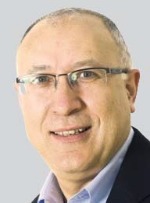
이스마일 에르튀르크 교수
영국 맨체스터대 비즈니스스쿨
신흥경제국은 크게 보아 두 부류로 나눌 수 있다. 한 부류는 원자재와 제품을 중국과 선진국에 수출하는 나라들이고, 다른 부류는 경상수지적자보전과 경제성장에 필요한 자금을 조달하기 위해 자본을 수입하는 나라들이다.
내년에는 이 두 부류의 신흥경제국 모두 경제성장에 어려움을 겪을 것 같다. 왜냐하면 이들 신흥경제국들의 수출 시장에서는 수요가 둔화되어 재화 가격이 낮게 유지될 것이고 또 미국과 유럽에서 나오는 자본의 흐름은 그 증가 속도가 둔화되거나, 심지어 역류현상이 일어날 수 있기 때문이다. 이러한 부정적인 사태의 전개는 결과적으로 신흥경제국의 통화와 증시 그리고 빚이 많은 기업에게 부담을 가중시킬 것 같다. 필자는 현재의 신흥경제국이 이러한 분야에서 충격을 흡수 할 회복력이 있기 때문에, 2016년에 이들 국가에서 심각한 국가 부도 사태나 은행 위기가 도래할 것이라고 보지는 않는다. 2016년은 중국의 역량이 시험대에 오르는 한 해가 될 것이다. 왜냐하면 중국이 낮은 성장률과 갈수록 복잡해지는 국내외 금융시장 아래서 사회적 목표와 국제정치적인 야망을 달성하기 위한 방안을 찾기 시작하는 해이기 때문이다. 일본에서 아베노믹스는 작동하지 않고 있다. 일본 경제는 점점 더 재정적으로 취약해지고 있고, 일본의 중앙은행은 양적완화를 지속하는 과정에서 자국의 자유 금융시장을 바탕에서부터 말살시키는 중이다. 한편 한국은 새로운 성장 전략을 찾아야 한다. 그렇게 하지 못한다면, 내년 한국의 자산시장과 통화, 금융기관들은 많은 부담을 받게 될 것이다. 유로존은 매우 낮은 성장률과 높은 실업률 그리고 그리스·이탈리아·포르투갈처럼 부채에 허덕이는 남유럽 국가들로 인해 계속 어려움을 안고 갈 것이다.
미국 중앙은행(Fed)은 2007년 글로벌 금융위기 이후 미국 경제가 마침내 회복되었다고 보는 듯 하다. 하지만 우리는 미국경제가 여전히 생산역량을 위한 투자나 높은 임금 위에서가 아니라 높은 가계부채 위에서 영위되고 있음을 기억해야 한다. 그래서 재닛 옐런 Fed 의장이 지난 주의 금리인상 시 급격한 금리 인상이 뒤따르지 않을 것이라는 것을 금융시장에 확신시키기 위해 발표문 문구에 극도로 주의를 기울였던 것이다. 그녀의 동지라고 할 수 있는 주요국 중앙은행 총재들은 미국을 따라 금리를 올리지 않겠다며 옐런 의장을 지원했다. 물론 중앙은행들이 내놓은 선제 지침이 미국과 미국을 제외한 전세계의 나라들 사이에 금리차가 벌어지는 때 외환시장들이 잘 통제 될 것이라는 의미하는 것은 아니다. 따라서 선진국 중앙은행들은 금융시장의 안정을 유지하고 거시경제 목표들을 달성하는 문제에서 곤경을 겪을 것이다.
글로벌 경제의 또 다른 불확실성 요인은 미국에서 나올 가능성이 있다. 현재 Fed는 지난 7여년간의 양적완화의 결과로 2조5000억달러 규모의 국채와 1조8000억달러 규모의 주택담보증권(MBS)을 보유하고 있다. 저금리 정책을 지속적으로 시행하기 위해, Fed는 장부상에 보유 중인 이 증권들을 금융시장에 되팔 필요가 있다 (Fed는 미국 국채를 담보로 하는 환매조건부채권을 시장에 매각하는 역레포 정책을 2조달러까지 허용하겠다고 발표했다.). Fed가 보유자산 규모를 줄이기 위해 도입한 새 수단의 성공은, Fed가 미래의 금리정책을 만들어 발표하는 것만큼이나 (비록 그보다 더 중요하지 않을 지라도) 중요하다.
Fed는 정책 금리들을 발표할 수는 있다. 하지만 Fed가 장부상의 자산규모를 줄이기 시작할 때 Fed가 미국 금융시장에서 신용위험의 가격(부도위험에 따르는 추가 금리)이나, 유동성을 통제할 수 있을 것이라는 보장은 없다. 그러므로 현재의 미국 경제에서 금융 불안정성으로 인한 리스크는 종전보다 커졌다.
2007년의 위기 이후 경제침체를 막기 위해 미국이 택한 아주 예외적인 통화 정책은 중국의 재정정책과 어울려 2007년 이래로 ‘환상적인 세계’를 만들어왔다. 2016년은 금융시장과 부동산시장에서 의도적으로 거품을 만들어 성장하는 일이 더 이상 가능하지 않는 해가 될 것 같다. 이런 점에서 내년인 2016년은 2007년에 있은 미국과 유럽에서의 역사적인 금융위기 이후 마침내 세계 경제가 ‘실체를 드러내는’ 해가 될 것으로 보인다.
-----------------------------------------------------------------------
영어 원문
Global Economic Outlook in 2016- learning to live with higher uncertainty
Ismail Erturk, the author, is a senior lecturer in banking, ManchesterBusiness School(MBS).
Paradoxically the disappearance of the uncertainty regarding the interest rate increase in the U.S. created, as most market observers predicted, a new set of uncertainties in global economy. And these uncertainties are not related to the monetary policy in the developed world: all major central banks - European Central Bank, Chinese Central Bank, Bank of Japan and the Bank of England- have confirmed emphatically that they will continue with their zero bound interest rate policies for foreseeable future. The central banks of the leading economies in the world will continue with their forward guidance on interest rates. But still there will be new sources of uncertainty in 2016 both in emerging economies and global financial markets.
It is possible to broadly categorise the emerging economies into those that export goods and commodities to China and to the developed economies, and those that import capital to finance their current account deficits and growth. Both types of emerging economies are likely to have economic growth problems because commodity prices will stay low due to lack of demand in their export markets and capital flows from the U.S. and Europe are likely to slow down or even reverse. Consequently these adverse developments are likely to put the emerging economy currencies, stock markets and indebted corporations under pressure. I do not think there is going to be a serious sovereign or banking crisis in emerging economies in 2016 because these sectors of the economy in emerging economies are resilient at the moment. I think it will be a testing year for China as China will start discovering how to achieve social objectives and international political ambitions under lower growth rates and increasingly complex financial markets both at home and abroad. Abenomics in Japan is not working and Japan is becoming increasingly financially fragile economy with its central bank basically eradicating free financial markets through its colossal balance sheet that keeps expanding. South Korea, on the other hand, will need to find new growth strategies otherwise their asset markets, currencies and financial institutions are likely come under pressure in 2016. The Eurozone will continue to have problems due to very low growth rates, high unemployment and highly indebted member states in the south like Greece, Italy and Portugal.
Although the Federal Reserve in the U.S. seems to think that the U.S. economy has finally recovered after the 2007 crisis we need to remember that the U.S. economy still runs on huge household debt not on high wages or investments in productive capacity. Therefore Janet Yellen was extremely careful in her wording of the rate rise last week to assure financial markets that this rate rise is not going to be followed by sharp successive rate rises. Her comrades who head the central banks of major economies supported her assurances by announcing publicly that they are not going to follow the U.S. in interest rate policy. Of course forward guidance by central banks does not mean that the currency markets could be kept under control when the U.S. interest rates diverge from the rest of the world. So there is going to be a rough ride for the central banks of the developed economies in balancing stability in financial markets and achieving macro-economic objectives.
Another source of uncertainty in the global economy is likely to emanate from the U.S. The Federal Reserve currently holds USD 2.5 trillion worth of U.S. Treasury securities and USD 1.8 trillion worth of mortgage-backed securities as a result of its quantitative easing policies over the last seven years or so. In order to support its low rate policy the Federal Reserve needs to sell the securities on its balance sheet back to the financial markets. The success of the Federal Reserve‘s new methods to reduce the size of its balance sheet will be as important as, if not more important than, making interest rate policy announcements in the future. The Federal Reserve can announce the policy rates but there is no guarantee that it will be able to control the pricing of credit risk and liquidity in the U.S. financial system when it starts reducing its balance sheet. Therefore there is now increased risk of financial instability in the U.S. economy.
The extraordinarily accommodating monetary policy in the U.S. together with Chinese fiscal policies to prevent economic recession after the 2007 crisis have created a fantasy world since 2007. 2016 is likely to be the year when the world economy will no longer be able to grow by creating artificial bubbles in financial markets and real estate markets. In that sense 2016 is likely to be finally the year of economic realism for the world economy after the historic 2007 banking crisis in the U.S. and Europe.
한국경제신문은 영국 맨체스터대 비즈니스스쿨(MBS) 교수진의 세계 경제 경영에 관한 칼럼을 매달 1회 독점 게재합니다. 원문은 한경닷컴(www.hankyung.com) 참조.
ADVERTISEMENT

-
1
중·러 등 반대…유엔안보리 '호르무즈 무력개방' 결의 또 연기
유엔 안전보장이사회(안보리)가 호르무즈 해협 봉쇄를 풀기 위해 무력 방어를 허용하는 내용의 결의안을 다음 주에 표결할 것으로 예상된다고 로이터통신이 3일(현지시간) 보도했다.호르무즈 결의안 표결을 위한 안보리 15개...

-
2
"대통령과 통화" 논란 우즈…연인 '트럼프 전 며느리' 공개 응원
도널드 트럼프 미국 대통령의 전 며느리인 버네사 트럼프가 연인인 '골프 황제' 타이거 우즈를 공개적으로 응원했다.버네사는 3일(현지시간) 자신의 인스타그램 계정에 우즈와 해먹에 함께 누워 있는 사진을 ...

-
3
美 F-15 전투기·A-10 공격기 이란서 격추…트럼프 "협상 영향 없어"
이란군의 공격으로 대이란 군사작전에 투입된 미군 F-15 전투기와 A-10 공격기가 격추됐다. 미 군용기가 지난 2월 28일(현지시간) 개전 이후 적 공격에 격추된 첫 번째 사례다.CBS뉴스 등 복수의 미국 매체 등...

ADVERTISEMENT